
Avengers: Doomsday is scheduled for theatrical release on December 18, 2026. Because the film has not premiered worldwide, official comprehensive reviews from critics are not yet published.
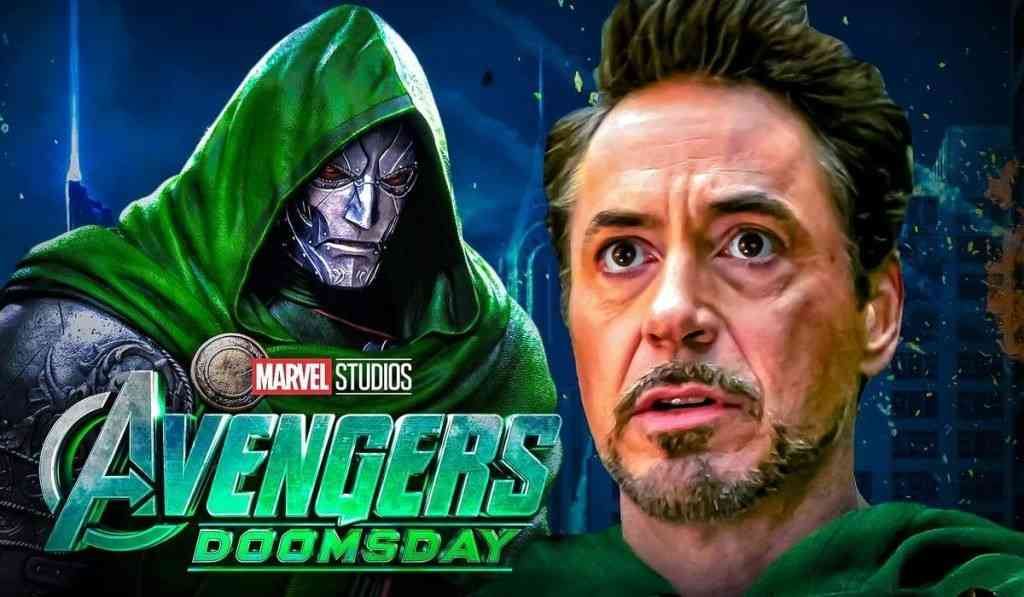
However, early internal buzz from Variety reports and initial test screenings reveal highly optimistic feedback. Audiences and Disney executives who have seen early cuts describe the film as “amazing”, with some early test viewers declaring it the best Marvel film since Avengers: Infinity War. Conversely, cast members like Alan Cumming have lightly cautioned that the massive ensemble scale feels like a packed “superhero soup”.
Avengers: Doomsday – Trailer :
Part 1: The Context of Doom — Production History and Franchise Pressure
The Pivot Away from the Kang Dynasty
To understand the critical reception Avengers: Doomsday will face, one must first look at the volatile road Marvel Studios took to get here. Originally announced as Avengers: The Kang Dynasty, the fifth Avengers instalment was intended to solidify Jonathan Majors’ Kang the Conqueror as the definitive multiversal threat of the Marvel Cinematic Universe (MCU). However, following Majors’ highly publicised legal controversies and ultimate conviction, Marvel chose to sever ties with the actor.
This forced an unprecedented narrative pivot. Rather than simply recasting Kang, Marvel chose to completely rebrand the film, changing the core threat of the Multiverse Saga to Doctor Doom. This transition was greeted with a mixture of immense excitement and critical skepticism. Critics and fans wondered whether introducing an entirely new overarching antagonist so late in the saga would feel like a organic creative evolution or an act of corporate damage control.
This forced an unprecedented narrative pivot. Rather than simply recasting Kang, Marvel chose to completely rebrand the film, changing the core threat of the Multiverse Saga to Doctor Doom. This transition was greeted with a mixture of immense excitement and critical skepticism. Critics and fans wondered whether introducing an entirely new overarching antagonist so late in the saga would feel like a organic creative evolution or an act of corporate damage control.
The Return of the Prodigal Directors: The Russo Brothers
To steady the ship, Marvel turned to the directors responsible for their greatest critical and financial triumphs: Anthony and Joe Russo. Having directed Captain America: The Winter Soldier, Captain America: Civil War, Avengers: Infinity War, and Avengers: Endgame, the Russos possess a proven track record of handling massive ensemble casts and high-stakes narratives.
Early insider screenings suggest that the Russo brothers have successfully injected their signature grounded pacing into a highly chaotic multiversal template. Their return has alleviated much of the institutional anxiety surrounding the film. A key focus for reviewers will be evaluating whether the Russos can replicate the flawless structural balance of Infinity War or if the sheer weight of Marvel’s sprawling multiverse will prove too heavy even for them.
Early insider screenings suggest that the Russo brothers have successfully injected their signature grounded pacing into a highly chaotic multiversal template. Their return has alleviated much of the institutional anxiety surrounding the film. A key focus for reviewers will be evaluating whether the Russos can replicate the flawless structural balance of Infinity War or if the sheer weight of Marvel’s sprawling multiverse will prove too heavy even for them.
Part 2: The Core Analysis — The Controversial Return of Robert Downey Jr.
The Mechanics of the Casting Choice
The single most discussed element of Avengers: Doomsday is the casting of Robert Downey Jr. as Victor von Doom. Having served as the emotional and structural anchor of the MCU as Tony Stark/Iron Man for over a decade, Downey’s return in a completely different, villainous role is a massive gamble.
Reviewers will scrutinise how the film explains this casting. If Victor von Doom is written merely as an “evil Iron Man variant,” critics may pan the decision as an uninspired, nostalgia-driven shortcut. However, if the film honors Doctor Doom’s traditional Latverian comic book heritage and treats Downey’s facial resemblance to Stark as a psychological weapon against the remaining Avengers, it could stand as one of the most brilliant subversions in superhero cinema.
The Performance and the Mask
Doctor Doom is defined by his mask, his arrogance, and his complex moral philosophy. A significant point of analysis in any upcoming review will be how much screen time Downey spends behind the iconic metal mask. If the film relies too heavily on Downey’s unmasked face to leverage his star power, it risks compromising the core identity of Victor von Doom. Conversely, if Downey delivers a primarily vocal, physically imposing performance from behind the armor, it will demonstrate a commendable commitment to artistic integrity over corporate vanity.
Part 3: Narrative Architecture — Managing the “Superhero Soup”
The Danger of Character Overload
In an interview with Deadline, actor Alan Cumming, who appears in the film, described the production as a dizzying assembly of characters that felt akin to “superhero soup”. This phrase encapsulates the central technical hurdle Avengers: Doomsday must overcome.
The film is tasked with uniting several disparate eras and teams of the MCU:
- The New Avengers: Captain America (Sam Wilson), Shang-Chi, and Shuri’s Black Panther.
- The Cosmic Defenders: Thor, Captain Marvel, and the remaining Guardians of the Galaxy.
- The Multiversal Immigrants: The Fantastic Four and various elements of the X-Men universe.
- The Anti-Heroes: The Thunderbolts and Street-Level Heroes like Daredevil.
When reviewing the film’s screenplay, written by frequent Russo collaborator Stephen McFeely, critics will look closely at character economy. Infinity War succeeded because characters were broken up into distinct, isolated groups pursuing a unified goal. Doomsday must implement a similar narrative architecture to avoid turning its two-hour runtime into an exhausting series of unearned cameos.
Weaving the Multiversal Threads
Since the conclusion of Phase 3, the MCU has struggled with a lack of clear interconnectedness. Projects like Loki, Doctor Strange in the Multiverse of Madness, and The Fantastic Four: First Steps have operated in separate pockets of reality. Avengers: Doomsday must serve as the grand unifying theory for these storylines.
The plot must cleanly explain how Doctor Doom positions himself as a threat to the entire multiverse, superseding the work done by the Time Variance Authority (TVA) and Loki’s multiversal tree. A successful narrative will make past projects feel like vital building blocks rather than aimless creative detours.
Part 4: Technical and Visual Execution
Visual Effects and Action Choreography
The Russo brothers are celebrated for their tactile, hard-hitting action sequences, a style that reached its peak in Captain America: The Winter Soldier. However, the Multiverse Saga demands a heavy reliance on digital environments and reality-warping visual effects.
A major focus of the technical critique will be the quality of the CGI. Marvel Studios has faced criticism for inconsistent special effects due to rushed production timelines. For Doomsday to succeed critically, its visual landscape must feel tangible and grounded, even when depicting cosmic incursions or reality collapsing in on itself. The design of Doom’s home country, Latveria, and his technological army will be a major indicator of the film’s visual success.
Pacing and Musical Score
With an ensemble this massive, pacing is everything. The film must balance quiet, character-driven moments of dread with explosive action sequences. Alan Silvestri’s potential or confirmed involvement with the score will also be heavily analyzed. Silvestri’s work on The Avengers and Endgame provided the emotional shorthand necessary to make epic moments land; Doomsday requires a brand-new, sinister musical motif that establishes Doctor Doom as a terrifying, unmatched threat.